


CCTV systems
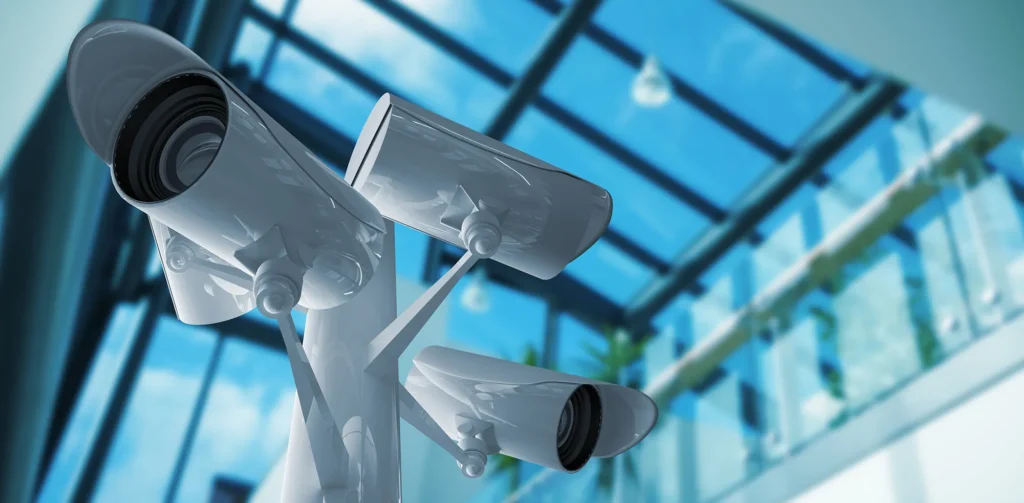
CCTV systems – effective monitoring and improved security
CCTV, short for closed-circuit television, is a video surveillance system that records and displays images using cameras, recorders and monitors. CCTV helps improve security in public, industrial and private premises.
How does a CCTV system work?
A CCTV system consists of several key components that work together to monitor an area effectively. These include:
- Cameras – Capture images of the chosen area.
- Recorders – Store camera footage for later playback and analysis.
- Monitors – Display live camera images so that incidents can be identified and addressed promptly.
High-quality cameras and modern recording systems enable detailed monitoring in real time, helping to improve security throughout a property.
Where are CCTV systems used?
Video surveillance is widely used in both the public and private sectors. CCTV cameras are particularly useful in places where there is a higher risk of crime or accidents, such as:
- Industrial premises – Production halls, warehouses and factories, where CCTV helps oversee production processes and prevent theft and accidents.
- Public buildings – Schools, government offices and hospitals, where surveillance systems help maintain order and safety.
- Shops and shopping centres – To deter theft, monitor customer traffic and oversee staff activity.
- Residential developments and private homes – To protect residents, deter potential intruders and enable a prompt response to incidents.
- Streets, car parks and parks – Monitoring public spaces helps improve community safety and identify people involved in criminal incidents.
Features and benefits of CCTV systems
Modern CCTV systems offer much more than video recording. Their features can be tailored to the needs of each property. Key benefits include:
- Improved security – CCTV can deter potential offenders and help detect and respond to dangerous situations quickly.
- Incident recording – Stored video footage can be reviewed to investigate theft, break-ins and other incidents.
- Remote monitoring – Modern CCTV systems can connect to mobile apps, enabling users to view camera footage on a smartphone or tablet while away from the property.
- Workplace oversight – Businesses can use CCTV to oversee operations and monitor compliance with workplace health and safety procedures.
- Behaviour monitoring – Schools can use video surveillance to monitor incidents, discourage vandalism and support a safer environment.
Modern CCTV technology
As technology develops, CCTV systems offer increasingly advanced features, including:
- High-resolution cameras (HD and 4K) – Deliver detailed images, making it easier to monitor even large areas.
- Night-vision cameras – Enable effective monitoring in low light or at night.
- PTZ (pan-tilt-zoom) cameras – Allow remote adjustment of the camera's direction and zoom to focus on specific subjects.
- Motion detection – Cameras can automatically start recording or send notifications when movement is detected.
- Integration with other systems – CCTV can integrate with intruder alarms and access control systems to support faster responses and more comprehensive monitoring.
Why invest in CCTV?
CCTV systems are valuable tools for improving security across a wide range of properties. Video surveillance helps deter crime and provides evidence when incidents occur. Remote monitoring also lets users keep an eye on their premises wherever they are.