


Intruder and hold-up alarm systems
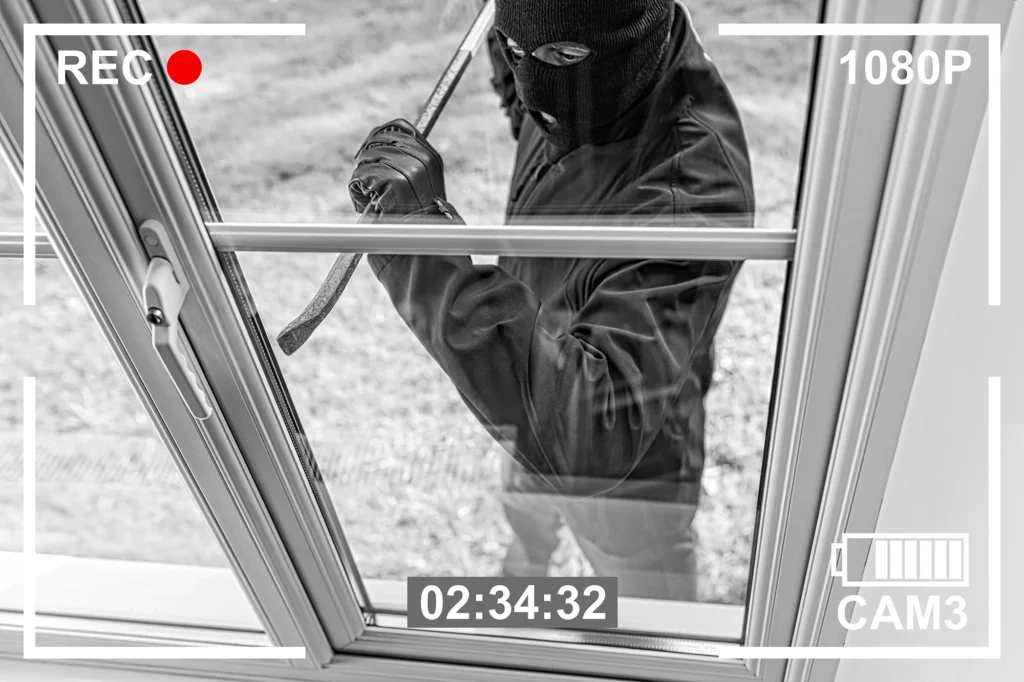
Intruder and hold-up alarm systems – protecting your property
Intruder and hold-up alarm systems help protect buildings against break-ins and hold-ups. They detect threats and notify the property owner or connected response service. They are used in public buildings, large production facilities, private homes and businesses.
The main purpose of intruder and hold-up alarm systems is to detect unauthorised access and send an alarm signal. This can be delivered to the property owner or a security company offering services such as response patrols, supporting prompt action when an incident occurs.
Security company monitoring is common at large industrial sites and public buildings, where protection is a priority and potential risks can be significant. When an intrusion is detected, an alarm is sent to the security company's monitoring centre, which can dispatch a patrol to investigate.
Self-monitoring – a modern option for homes and small businesses
An increasingly popular option is self-monitoring using an alarm system connected to a smartphone. Homeowners and small businesses can monitor their premises directly and reduce their reliance on contracted monitoring services while receiving prompt alerts.
Self-monitoring allows users to manage an alarm system through a mobile app, with functions such as:
- Remote arming and disarming – Control the alarm from a smartphone while away from the property.
- Live property monitoring – Integration with CCTV allows users to check an alarm immediately and contact the police if they confirm a break-in.
- Management without being on site – Mobile apps let users manage access to a property remotely.
Additional features of modern alarm systems
Modern intruder alarm systems can provide additional features that improve convenience and expand their use. Examples include:
- Remote garage door and gate opening – Mobile apps can control access to a garage or property without using a conventional key.
- Roller shutter and lighting control – Compatible alarm systems can integrate with smart home equipment to control shutters, lighting and heating remotely.
- Automation – Integrated home automation lets users schedule system actions to support everyday routines, convenience and security.
Benefits of self-monitoring with cameras
Integrating intruder alarms with CCTV provides an additional way to assess an incident. Users can check live camera images when an alarm occurs, particularly while away from the property, to help determine whether there is a real threat or a false alarm.
In summary, intruder and hold-up alarm systems play an important role in protecting homes and commercial properties. Self-monitoring and mobile app integration make security management more convenient and flexible.