


Access control systems
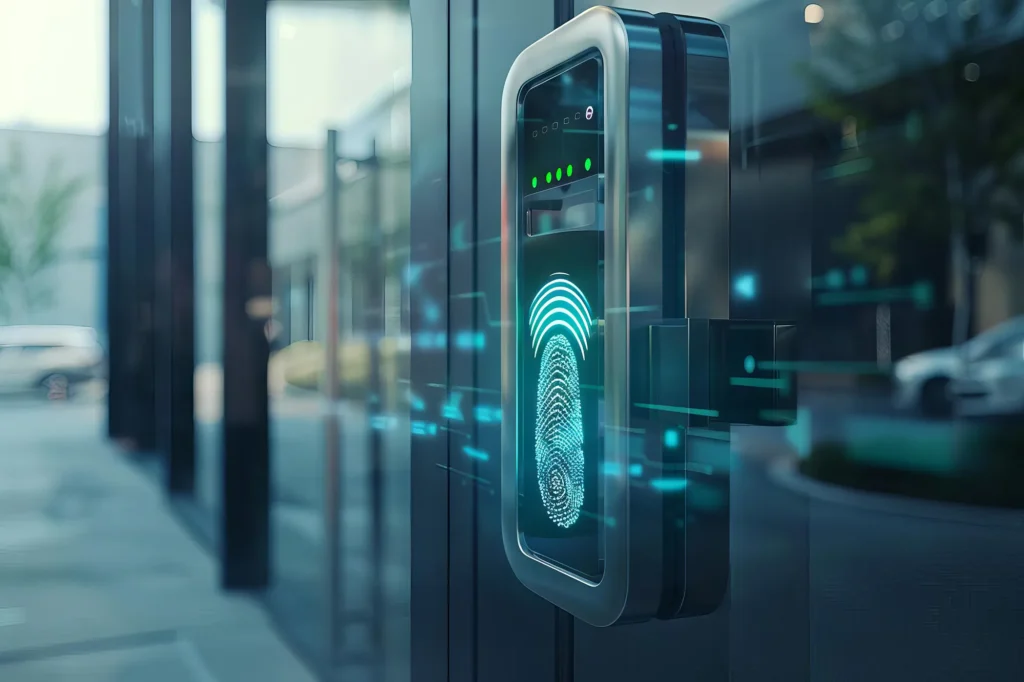
Access control systems – secure access to your premises
Access control systems use connected electronic and mechanical devices to manage entry to specific areas. Their purpose is to restrict access for unauthorised users. They are an important part of security in offices, workplaces, industrial premises and public buildings.
Access control works by identifying users through the technology supported by the relevant reader or device. The system checks the user's credentials against configured permissions. If access is authorised, it releases a door, gate or other barrier; otherwise, entry remains blocked.
Identification technologies used in access control
User identification in access control systems can use a range of technologies. Common methods include:
- RFID proximity cards and tags – A popular, convenient way to gain entry using a contactless card or key fob.
- Biometric readers – Identify users through characteristics such as fingerprints, facial features or iris patterns to provide an additional layer of security.
- Vehicle registration plates – Automatic number plate recognition is commonly used at industrial sites and car parks.
- Radio remote controls and access codes – Remote controls and PIN codes provide convenient ways to authorise entry.
Physical barriers in access control systems
To manage entry to specific areas, access control systems use physical barriers that lock or release according to the user's permissions. Common examples include:
- Doors with electronic locks – Release automatically after access permissions have been verified.
- Electric strikes and electromagnetic locks – Secure doors to help control entry to restricted areas.
- Barrier arms and access gates – Control vehicle access at industrial and commercial sites.
- Sliding gates – Commonly used at car parks and sites with frequent vehicle traffic.
Key access control features
Modern Access control systems offer features that improve security and give owners greater control over entry to their premises. These include:
- Entry and exit records – Record who entered or left a particular area and when.
- Electronic user identification – Supports accurate, reliable identity checks.
- Real-time event monitoring – Displays current system events so operators can keep track of activity.
- Barrier control – Enables doors, gates and barriers to be opened or closed remotely in line with user permissions.
- Anti-passback – Prevents a user from entering an area again without first registering an exit, helping prevent misuse of access credentials.
Applications and benefits of access control
Access control systems are used wherever security and the movement of people need to be managed. They help property owners control entry to different areas and reduce the risk of unauthorised access. They are particularly useful in manufacturing facilities, office buildings and public institutions.
Benefits of access control systems:
- Improved security – Restricts unauthorised entry, helping reduce the risk of break-ins and theft.
- Detailed access permissions – Defines who can access each area and at what times.
- Greater operational efficiency – Automated access procedures save staff time and resources.
- Integration with other systems – Access control can connect with CCTV, intruder alarms and building management systems for more comprehensive protection.
Overview
Access control systems provide a flexible way to improve security in many types of property. Their range of functions and configurable permissions make them a valuable part of security management in industrial premises, offices and public buildings.